cardiff-stage.fmg.ninja

320-420-9923

Money

The History of Currency
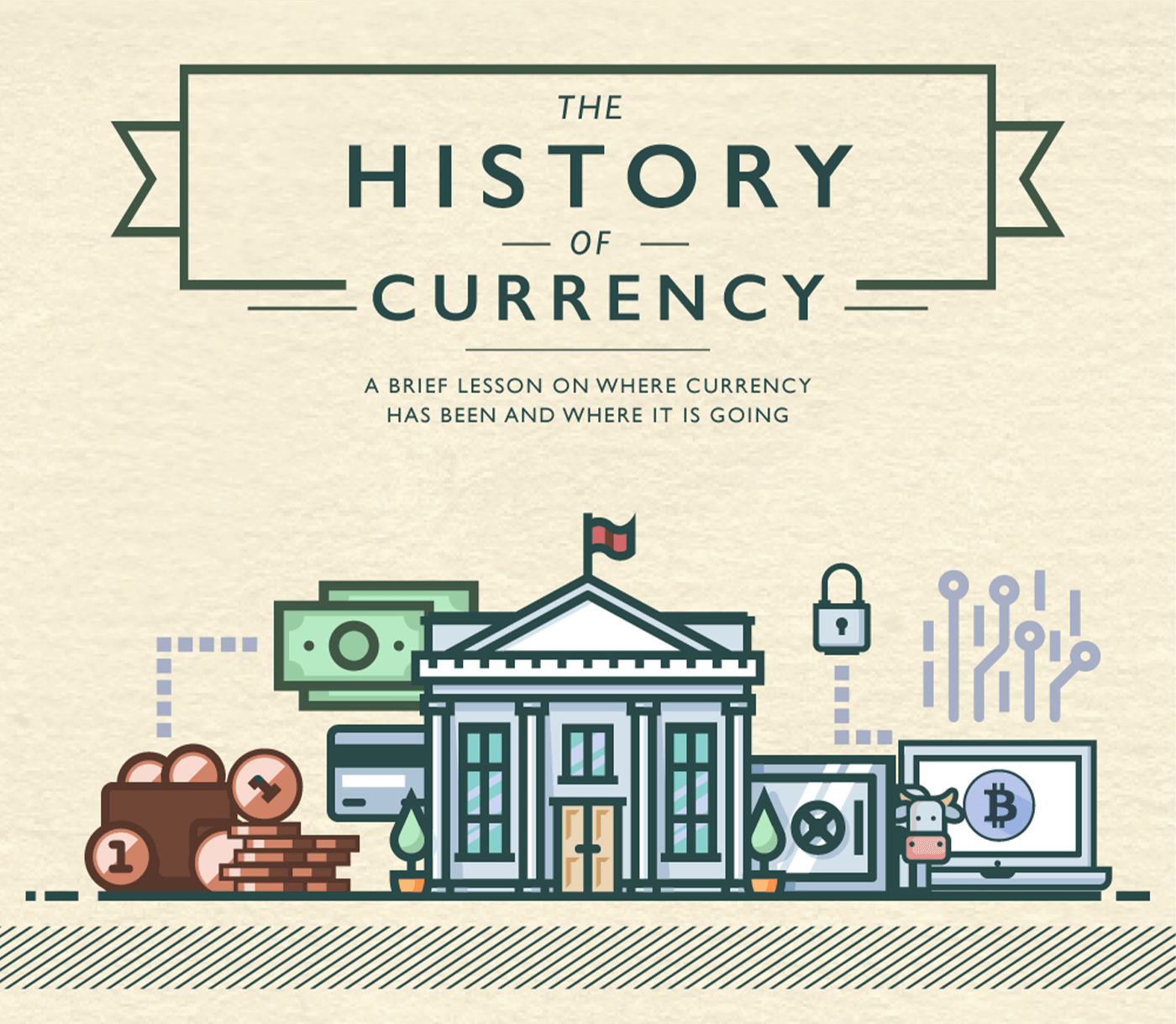
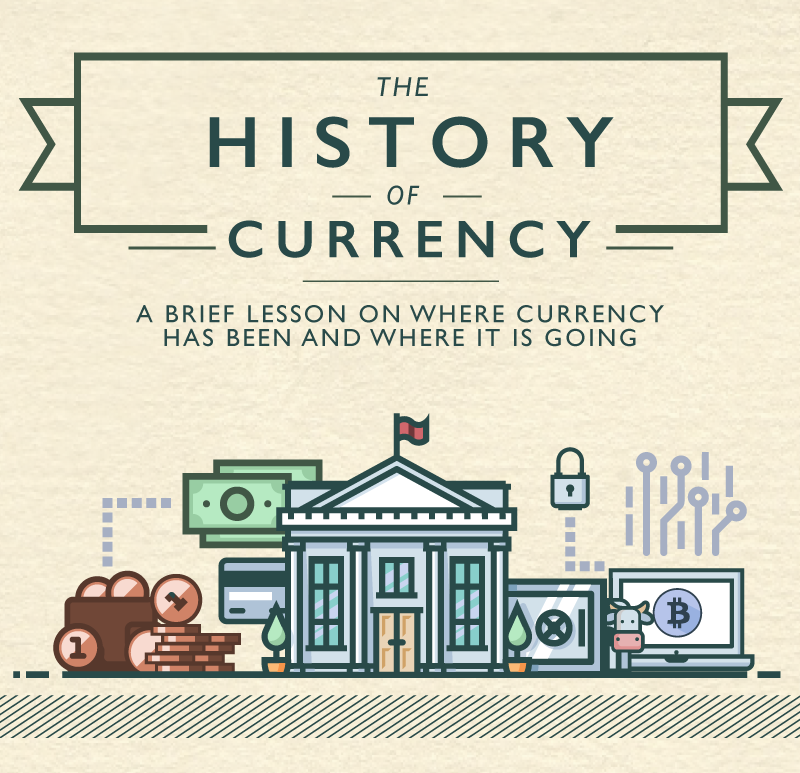
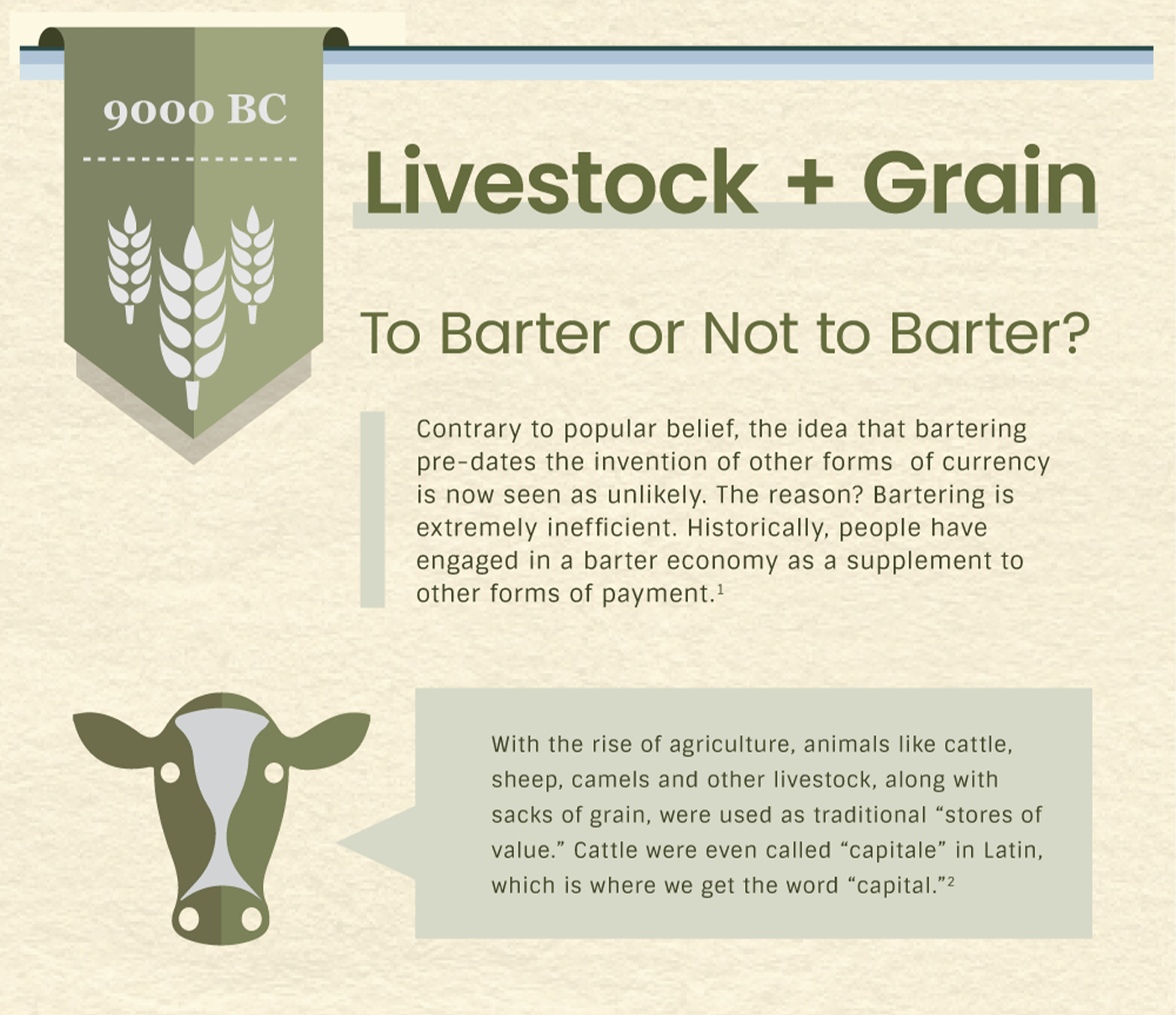
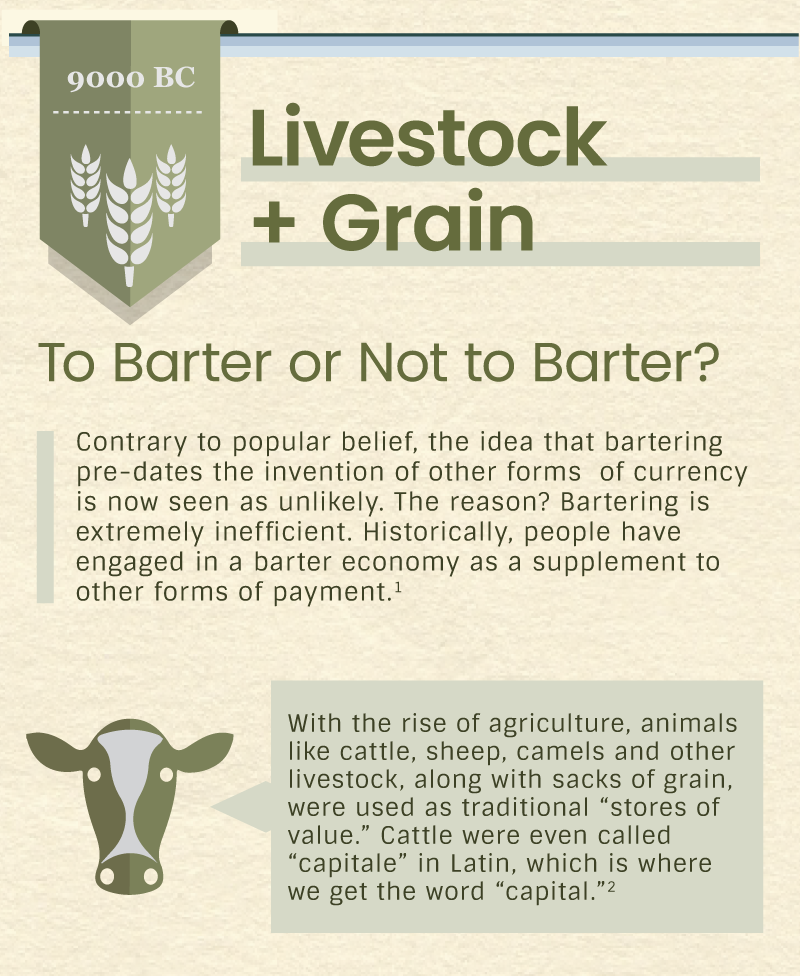
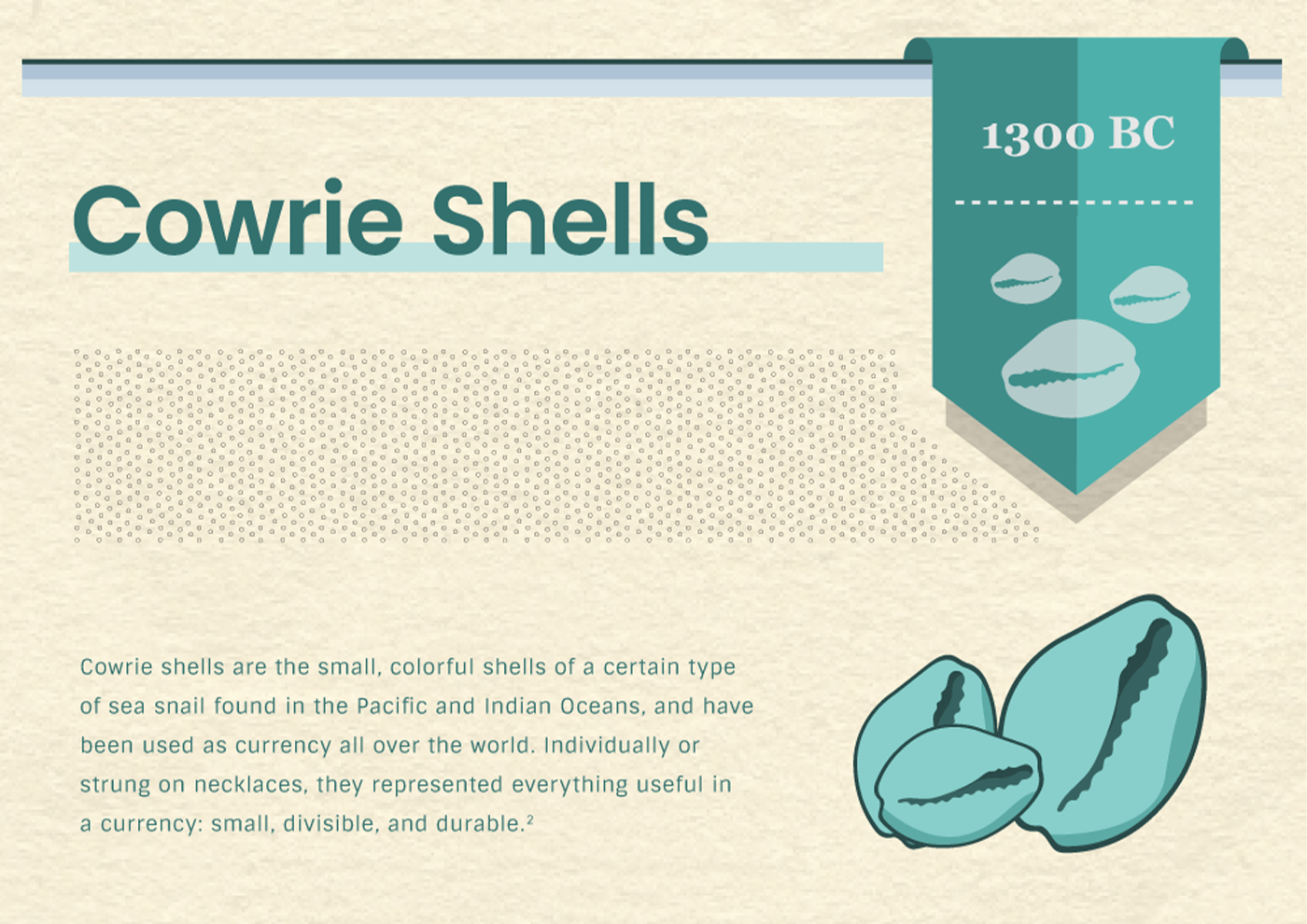
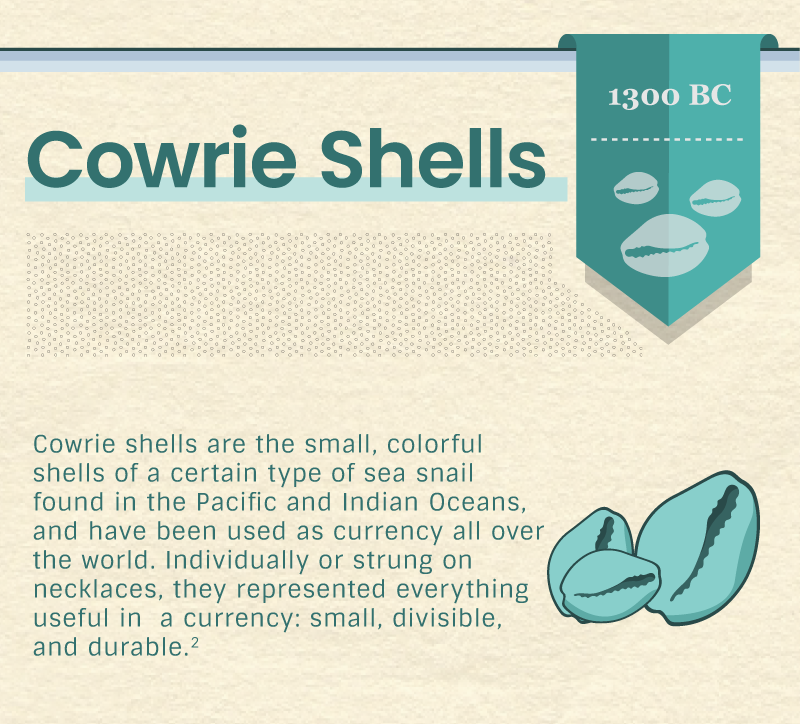
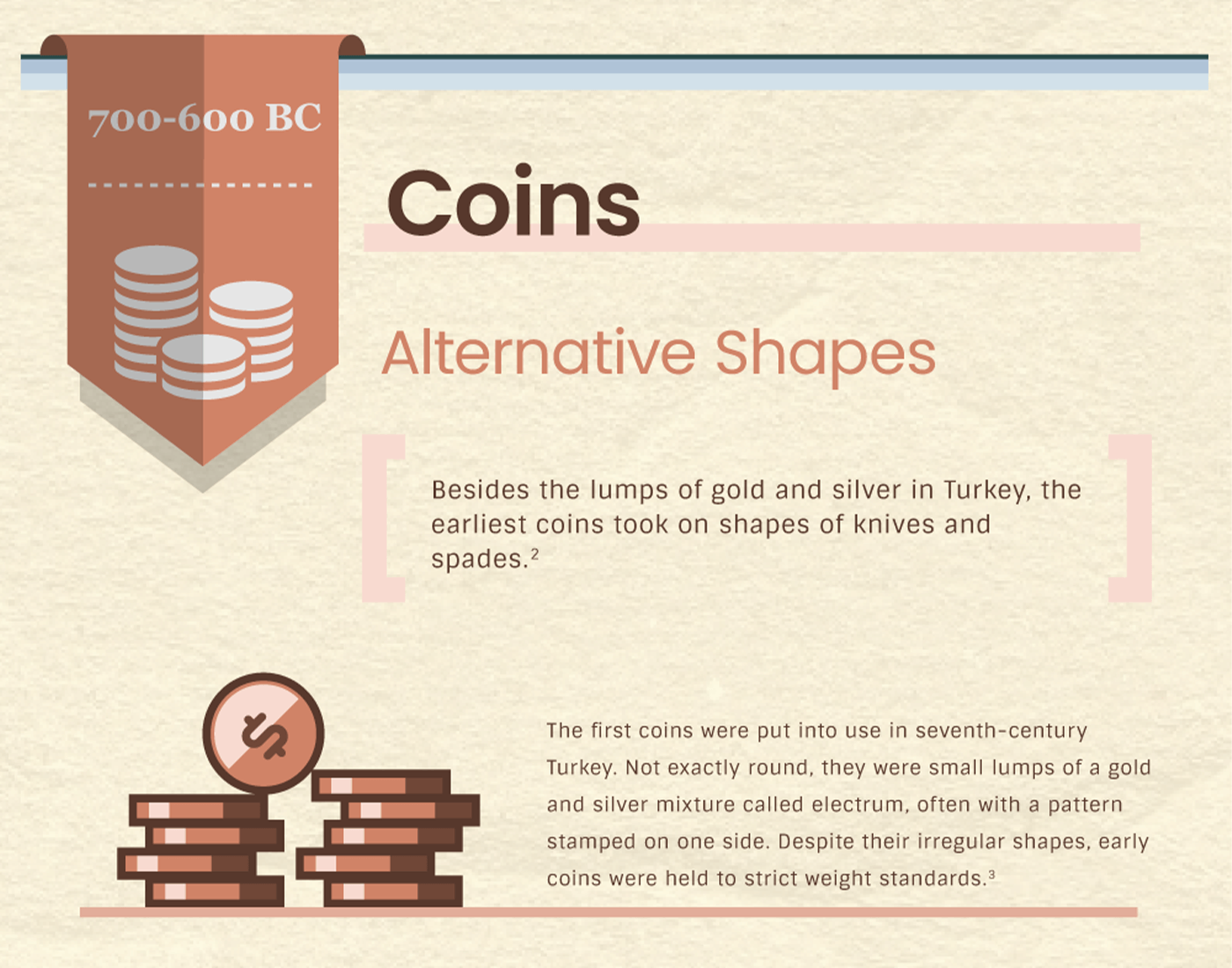
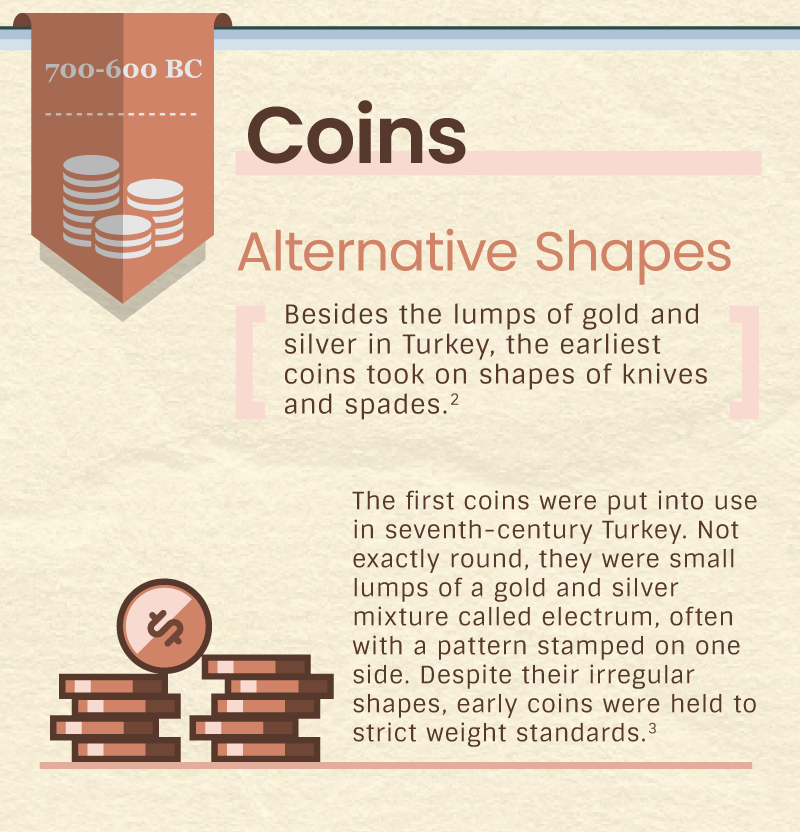
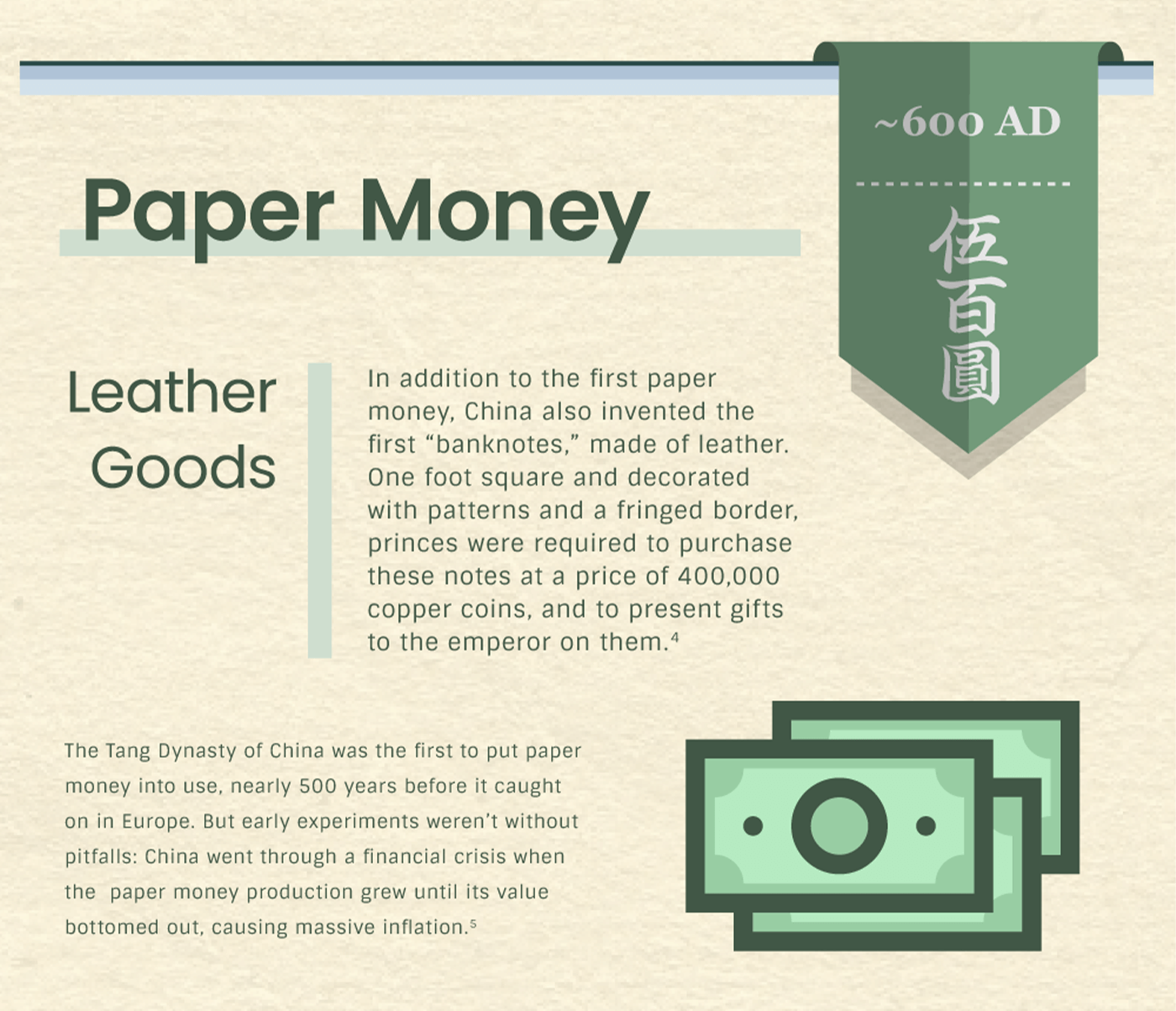
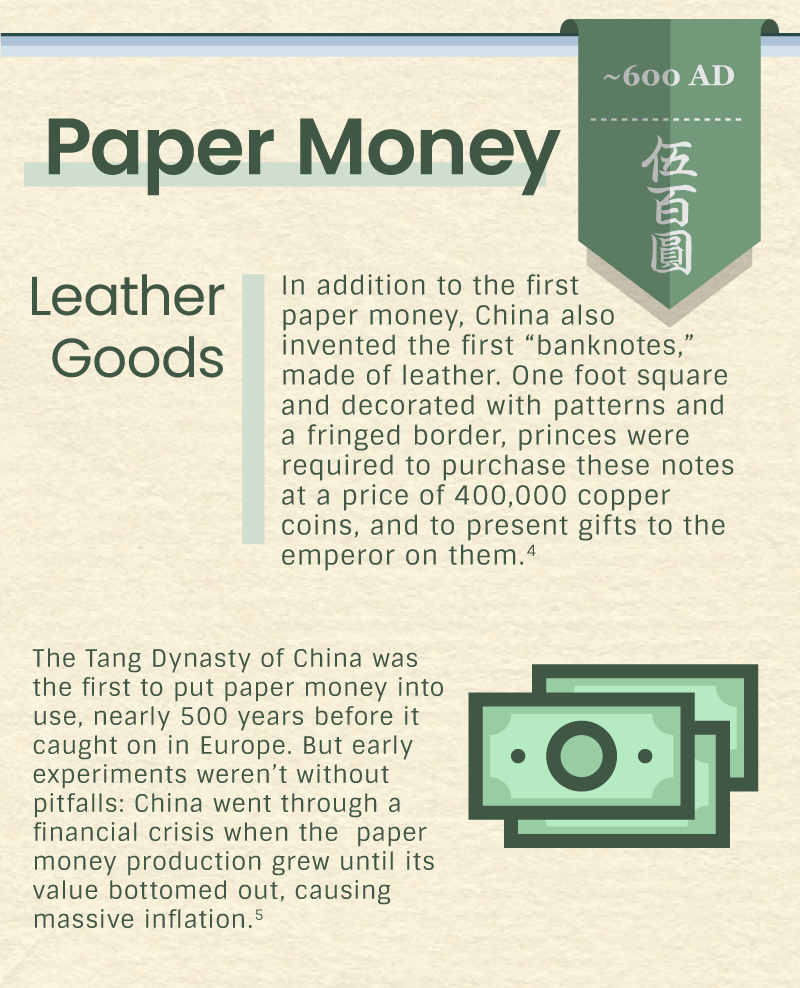
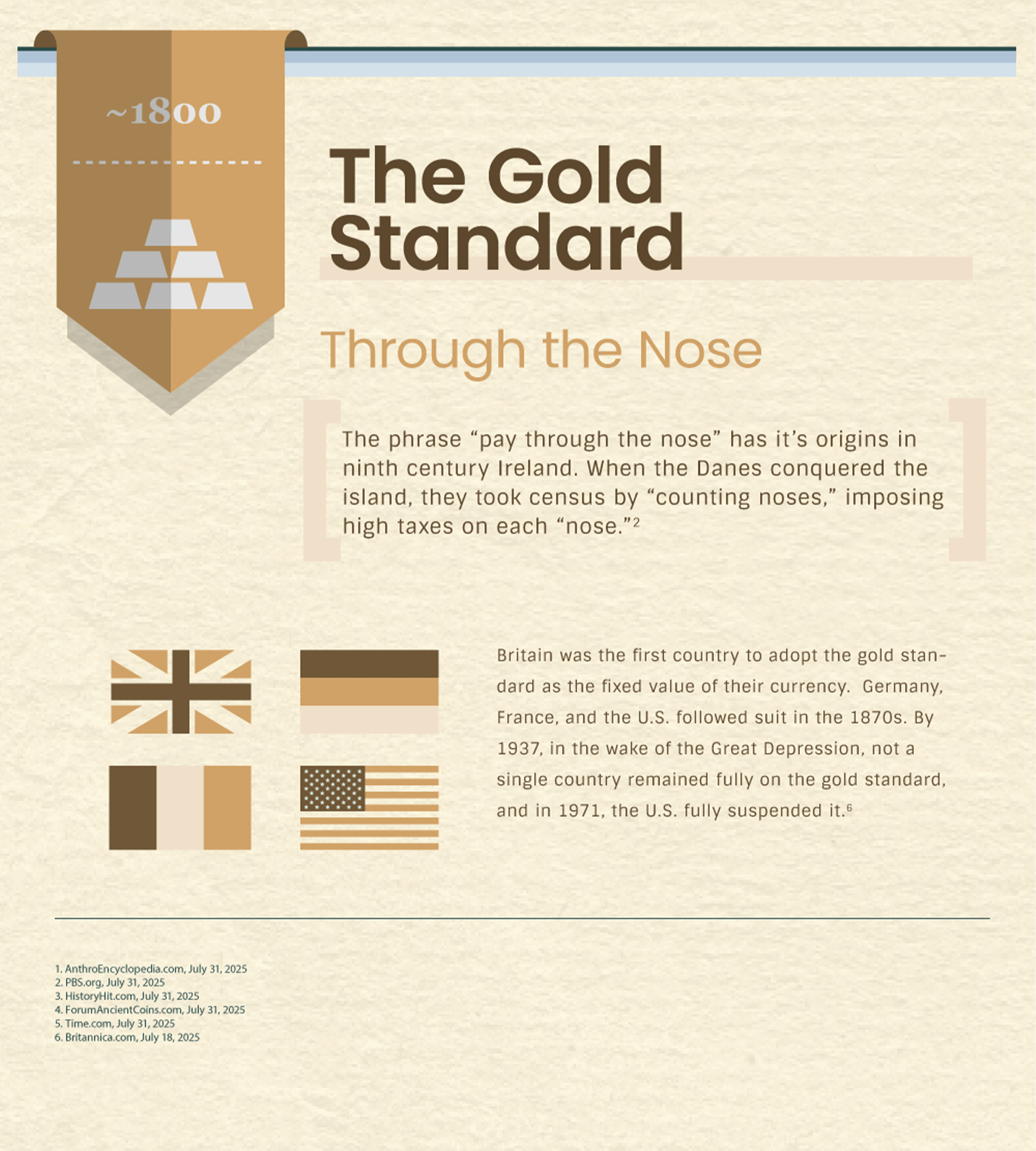
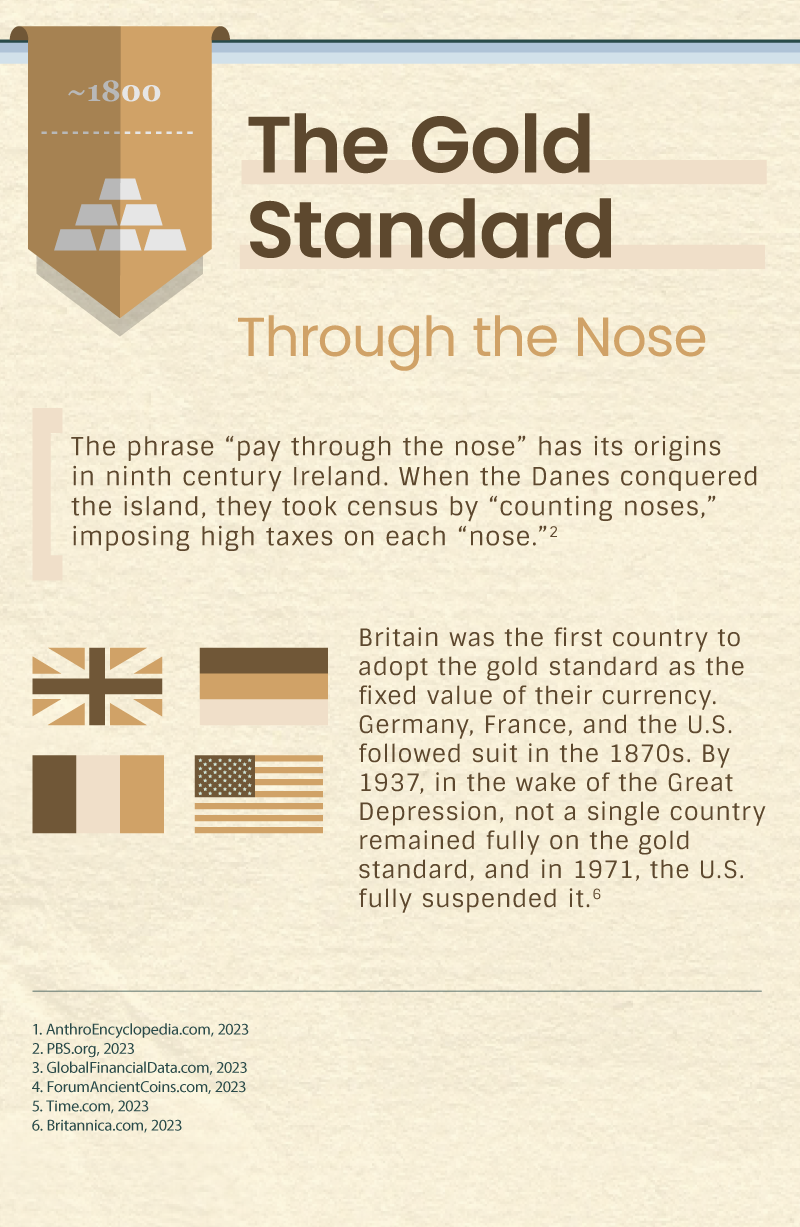
This is a History of Currency educational infographic with six sections on a beige background. The title reads: The History of Currency. A brief lesson on where currency has been and where it is going.This is a History of Currency educational infographic with six sections on a beige background. The title reads: The History of Currency. A brief lesson on where currency has been and where it is going.The first section, titled Livestock and Grain, covers the earliest use of currency around 9000 BC. It explains that, contrary to popular belief, bartering pre-dates other forms of currency, and is now seen as unlikely because it is extremely inefficient. Historically, bartering supplemented other forms of payment. With the rise of agriculture, animals such as cattle, sheep, camels, and sacks of grain were used as traditional stores of value. The text notes that cattle were called capitale in Latin, which is where the word capital comes from.The first section, titled Livestock and Grain, covers the earliest use of currency around 9000 BC. It explains that, contrary to popular belief, bartering pre-dates other forms of currency, and is now seen as unlikely because it is extremely inefficient. Historically, bartering supplemented other forms of payment. With the rise of agriculture, animals such as cattle, sheep, camels, and sacks of grain were used as traditional stores of value. The text notes that cattle were called capitale in Latin, which is where the word capital comes from.The second section, titled Cowrie Shells, highlights their first use as currency around 1300 BC. It states that cowrie shells are the small, colorful shells of a certain type of sea snail found in the Pacific and Indian Oceans. They were used as currency all over the world. Individually or strung on necklaces, they represented everything useful in a currency: small, divisible, and durable.The second section, titled Cowrie Shells, highlights their first use as currency around 1300 BC. It states that cowrie shells are the small, colorful shells of a certain type of sea snail found in the Pacific and Indian Oceans. They were used as currency all over the world. Individually or strung on necklaces, they represented everything useful in a currency: small, divisible, and durable.The third section, titled Coins, covers their first appearance between 700 and 600 BC. It notes that besides lumps of gold and silver in Turkey, the earliest coins took on shapes like knives and spades. The first coins were put into use in seventh-century Turkey. Not exactly round, they were small lumps of a gold and silver mixture called electrum, often with a pattern stamped on one side. Despite their irregular shapes, early coins were held to strict weight standards.The third section, titled Coins, covers their first appearance between 700 and 600 BC. It notes that besides lumps of gold and silver in Turkey, the earliest coins took on shapes like knives and spades. The first coins were put into use in seventh-century Turkey. Not exactly round, they were small lumps of a gold and silver mixture called electrum, often with a pattern stamped on one side. Despite their irregular shapes, early coins were held to strict weight standards.The fourth section, titled Paper Money, explains its introduction around 600 AD. It states that, in addition to the first paper money, China also invented the first banknotes, made of leather. These were one foot squares, decorated with patterns and a fringed border, and princes were required to purchase them at a price of 400,000 copper coins and to present gifts to the emperor on them. The Tang Dynasty of China was the first to put paper money into use, nearly 500 years before it caught on in Europe. However, early experiments caused problems: China went through a financial crisis when paper money production grew until its value bottomed out, causing massive inflation.The fourth section, titled Paper Money, explains its introduction around 600 AD. It states that, in addition to the first paper money, China also invented the first banknotes, made of leather. These were one foot squares, decorated with patterns and a fringed border, and princes were required to purchase them at a price of 400,000 copper coins and to present gifts to the emperor on them. The Tang Dynasty of China was the first to put paper money into use, nearly 500 years before it caught on in Europe. However, early experiments caused problems: China went through a financial crisis when paper money production grew until its value bottomed out, causing massive inflation.The fifth section, titled The Gold Standard, covers its first adoption around 1800. It notes that the phrase “pay through the nose” comes from ninth-century Ireland, where Danes took census by counting noses and imposing high taxes on each nose. Britain was the first country to adopt the gold standard as the fixed value of its currency. Germany, France, and the U.S. followed in the 1870s. By 1937, in the wake of the Great Depression, not a single country remained fully on the gold standard. In 1971, the U.S. fully suspended it.The fifth section, titled The Gold Standard, covers its first adoption around 1800. It notes that the phrase “pay through the nose” comes from ninth-century Ireland, where Danes took census by counting noses and imposing high taxes on each nose. Britain was the first country to adopt the gold standard as the fixed value of its currency. Germany, France, and the U.S. followed in the 1870s. By 1937, in the wake of the Great Depression, not a single country remained fully on the gold standard. In 1971, the U.S. fully suspended it.
 

Related Content

Budgeting After a Divorce

Budgeting After a Divorce

Divorce is the second most stressful time in a person's life. Here's some tips to get through it.

A Fruitful Retirement: Social Security Benefit

A Fruitful Retirement: Social Security Benefit

Taking your Social Security benefits at the right time may help maximize your benefit.

A Penny Saved is Two Pennies Earned

A Penny Saved is Two Pennies Earned

Here are some simple and inexpensive energy-saving tips that may help you save money.


Have A Question About This Topic?


Thank you! Oops!

Monthly Memberships

A look as how autopay subscriptions can be a drain on your finances, especially when forgotten.

Buying a Vacation Home? 5 Questions to Consider First

You may be considering purchasing a vacation property, this can be an exciting milestone, but there are a few things to consider first.

Emotional vs. Strategic Decisions

Information vs. instinct. Are your choices based on evidence of emotion?

View all articles

Can I Refinance My Mortgage?

This calculator can help determine whether it makes sense to refinance your mortgage.

What Is the Dividend Yield?

This calculator helps determine your pre-tax and after-tax dividend yield on a particular stock.

Potential Income from an IRA

Estimate your monthly and annual income from various IRA types.

View all calculators

Suddenly Single: 3 Steps to Take Now

Have you found yourself suddenly single? Here are 3 steps to take right now.

Bursting the Bubble

Tulips were the first, but they won’t be the last. What forms a “bubble” and what causes them to burst?

The Long Run: Women and Retirement

For women, retirement strategy is a long race. It’s helpful to know the route.

View all videos